Ask ten Guyanese when to visit and you might get ten answers, all of them right. Guyana sits just above the equator, so it is warm all year and there is no winter to dodge. What changes is the rain. Working out the best time to visit Guyana comes down to three things: which part of the country you are heading to, what you want to do there, and which festival you would love to catch. This guide walks you through all three, season by season and month by month.
Guyana’s two seasons: dry and green
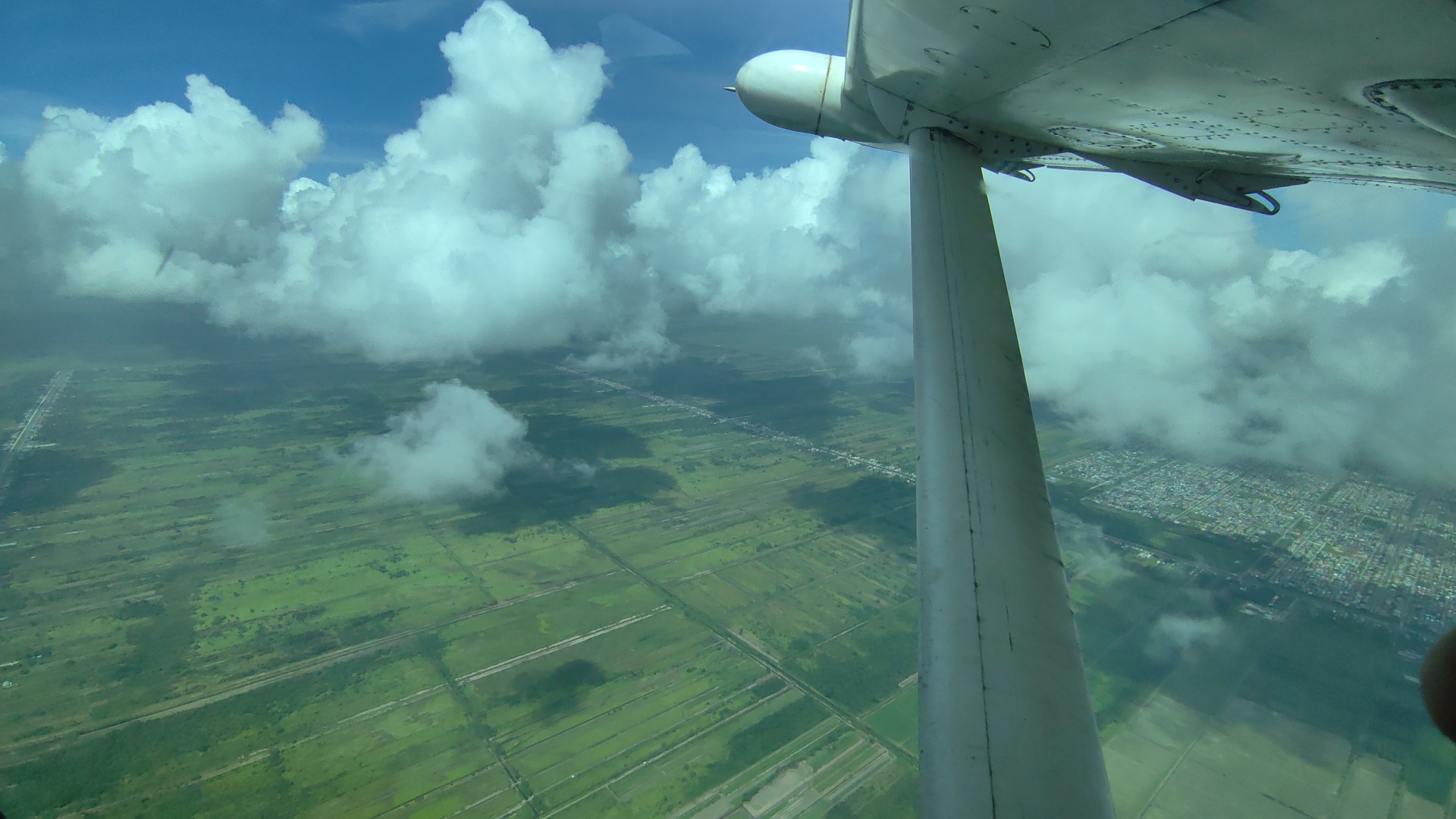
The Guyana Tourism Authority keeps it simple. As of November 2026, its travel tips page says the country has only two seasons, dry and green, and it calls the dry season the peak season. The green season is the wet one. Days then tend to be a little cooler but more humid, and the rain comes and goes. Some days bring nothing but a light shower. Others bring heavy downpours.
The national weather service tells the same story in more detail. A presentation by a Hydrometeorological Service forecaster, shared through the Caribbean Institute for Meteorology and Hydrology, describes two rainy seasons, one from May to July and a second from November to January. The first is the bigger one. Guyanese call it the “May/June rain”, and it is longer and heavier in the north and in the highlands. In between come two drier spells, roughly February to April and August to October. Temperatures change very little across the year.
The key point is that the coast and the interior do not keep the same calendar.
The coast and Georgetown: when to go
As of November 2026, the Guyana Tourism Authority gives these windows for the coast, where Georgetown and most hotels are:
- Dry: mid-January to May, and mid-July to mid-November
- Green (wet): May to mid-July, and mid-November to mid-January
For a city break, the dry months are the easy pick. They are good for walking around Stabroek Market, the Seawall and the Botanical Gardens without an umbrella in your hand. Our guide to things to do in Georgetown has the full list of sights. Visiting in December? You will get some showers, but you also get Christmas and Old Year’s Night, two of the most joyful times of the Guyanese year.
The interior and the Rupununi: when to go
Inland, the pattern shifts. As of November 2026, the Tourism Authority lists:
- Dry: January to early May, and September to December
- Green (wet): mid-May to August
The interior has one long wet season in the middle of the year, not two short ones. That makes September to December a strong choice for the Rupununi savannah, Iwokrama and the lodges. Drier weather generally makes trails and long overland drives easier going. Our Rupununi travel guide explains how to get there and where to stay.
The green season has its own rewards. The Tourism Authority notes that the wet months are the best time to travel by boat and to see Guyana’s waterfalls at their fullest. If river trips and roaring water are top of your list, a mid-year trip makes sense. Just pack for mud and leave slack in your plans.
Best time for the big experiences
Kaieteur Falls
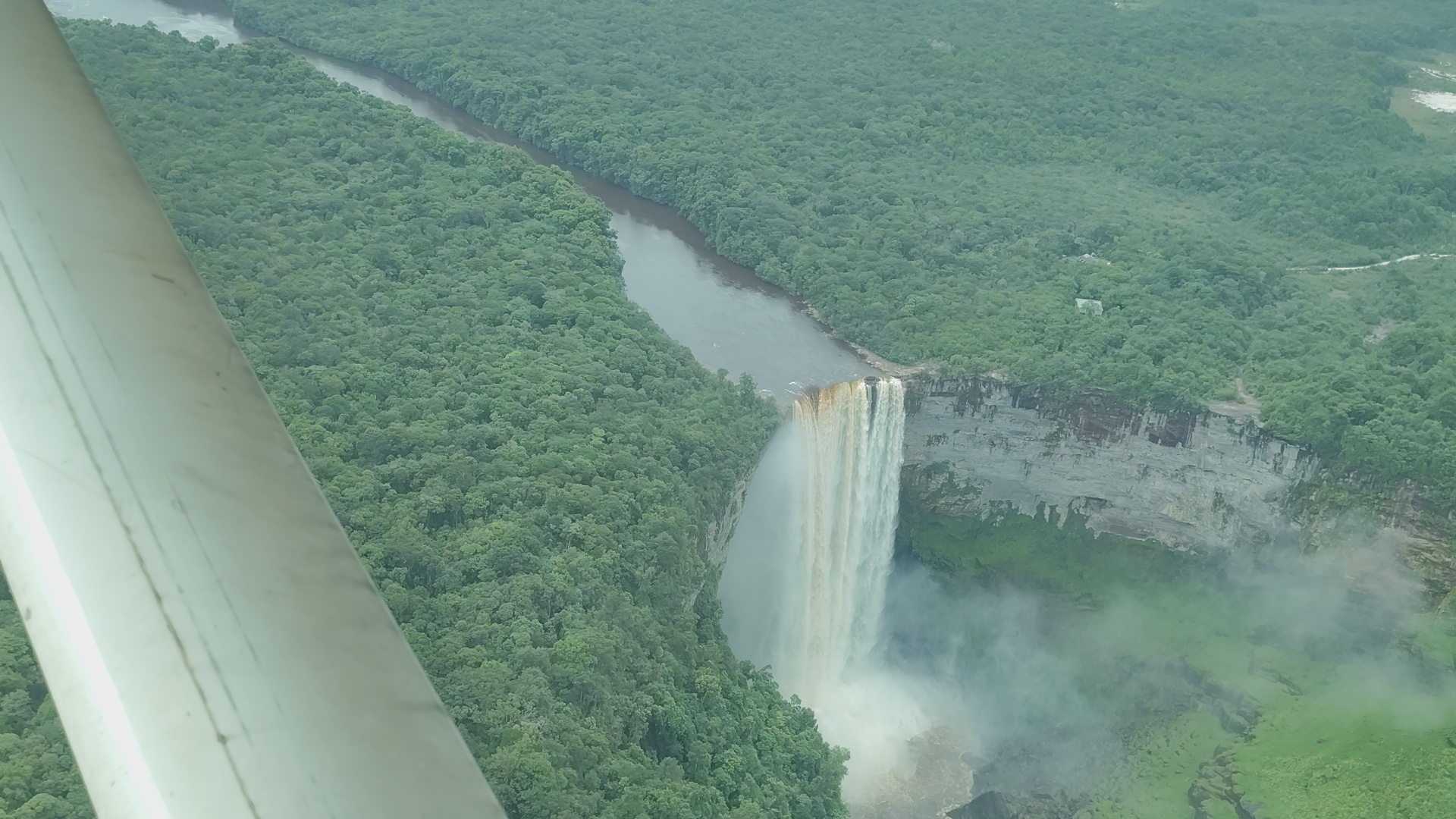
Kaieteur is worth seeing in any month, but the rains are what feed it. For the fullest falls, aim for the wet season. For drier trails underfoot, go in the dry months. Our Kaieteur Falls guide covers the flight, the trail and the three lookouts.
Sea turtles at Shell Beach
On the far north-west coast, in the Barima-Waini region, Shell Beach is a nesting site for four sea turtle species: leatherback, green, hawksbill and olive ridley. As of November 2026, the Protected Areas Trust says the leatherbacks and other marine turtles nest there from February to July each year. The beach is remote, so plan your visit with an experienced local operator.
Wildlife and birds
The drier interior months mean easier trails and longer days out in the field. So September to December, or January to early May, are good windows to plan a wildlife trip around. Our guides to birdwatching in Guyana and preparing for a jungle trek will help you choose and pack.
Guyana’s festival calendar, month by month
The weather is one reason to pick your dates. The festivals are another. Here are the highlights through the year:
- February, Mashramani: Guyana marks Republic Day on 23 February with “Mash”. Its costume and float parade fills the streets of Georgetown with colour, music and dancing.
- February or March, Phagwah: the Hindu spring festival of colour. It is a public holiday, and its date follows the Hindu calendar.
- Easter, the Rupununi Rodeo: Lethem hosts the annual Rupununi Ranchers’ Rodeo over Easter, a celebration of the savannah’s cowboy culture. Dates are announced by the Department of Public Information each year, so check them before you plan, and book flights and rooms early.
- 5 May, Arrival Day: a public holiday honouring the arrival of indentured labourers from India.
- 26 May, Independence Day: Guyana celebrates the anniversary of its independence.
- July, CARICOM Day: a public holiday on the first Monday in July that celebrates Caribbean unity.
- 1 August, Emancipation Day: a day of African heritage, food and culture.
- September, Amerindian Heritage Month: a month of events across the country celebrating Guyana’s Indigenous peoples. Our guide to visiting Indigenous communities explains how to take part respectfully.
- October or November, Diwali: the festival of lights, which follows the Hindu calendar. The Guyana Hindu Dharmic Sabha’s illuminated Diwali motorcade is one of the highlights.
- December, Christmas and Old Year’s Night: pepperpot, black cake, family visits and fireworks. See our guide to New Year in Guyana.
Dates for Phagwah, Diwali, Eid and the Rodeo move from year to year. Always confirm them with official announcements before you book.
So, what is the best time to visit Guyana?
- First-timers who want everything: February to April. The coast and the interior are both in a dry spell, Mashramani falls in February, and Easter brings the Rodeo.
- Wildlife and the Rupununi: September to December, the interior’s second dry season, with Amerindian Heritage Month in September.
- Waterfalls and river trips: the green season, mid-May to August, when the rivers run high.
- Diaspora going home: December, if family, food and Old Year’s Night are the point. Book flights as early as you can.
Guyana is on the South American mainland, so it also makes a natural first or last stop on a wider Caribbean trip. Short on time? Our 3-day Guyana itinerary fits Georgetown, Kaieteur and a river morning into one long weekend. Local operators such as Guyana Tours can help you plan interior trips around the seasons.
Quick facts
- Seasons: two, dry and green (wet)
- Coast, dry: mid-January to May, mid-July to mid-November
- Interior, dry: January to early May, September to December
- Biggest rains: the “May/June rain”
- Turtle nesting at Shell Beach: February to July
- Visas: as of November 2026, the Guyana Tourism Authority says travellers from about 125 countries, including the US, Canada and the UK, do not need a visa. Check the Ministry of Foreign Affairs before you travel.
FAQ
What is the best month to visit Guyana?
No single month suits everyone. For dry weather on both the coast and in the interior, February to April is the safest choice. For the Rupununi and wildlife, September to December works well.
Is it worth visiting Guyana in the rainy season?
Yes. The Guyana Tourism Authority calls the wet season the best time for boat travel and for seeing the waterfalls at their fullest. Expect mixed days, some dry and some very wet, and pack for both.
When is Mashramani in Guyana?
Mashramani celebrates Republic Day on 23 February. Its costume and float parade runs through the streets of Georgetown.
Sources
- Guyana Tourism Authority: Travel tips (seasons)
- Guyana Tourism Authority: Travel guidelines
- CIMH: Meteorology in Guyana (Hydrometeorological Service presentation)
- Protected Areas Trust: Shell Beach
- DPI Guyana: Rupununi Rodeo 2026 launched
- DPI Guyana: Mash 2025 costume and float parade
- DPI Guyana: Amerindian Heritage Month 2026 opens
- DPI Guyana: Diwali motorcade
- Public holidays in Guyana
— Harpy Express Travel Smart Desk