Last checked: November 2026
The Rupununi is the wide grassland of southern Guyana, split into north and south by the forested Kanuku Mountains. You fly or drive to Lethem, the border town, then stay at ranches and village-run lodges spread across the savannah. Come for open-country wildlife, cowboy culture, Indigenous communities and, if you like, an easy crossing into Brazil.
At a glance
- Where: Region 9 (Upper Takutu-Upper Essequibo), on the Brazil border
- Getting there: about 90 minutes by small plane from Ogle, Georgetown, to Lethem; 12 to 16 hours by road
- Time needed: at least four nights; a week lets you see north and south
- Cost: varies; ask for a current quote
- Best time: September to April for dry roads; Easter for the rodeo
What is the Rupununi?
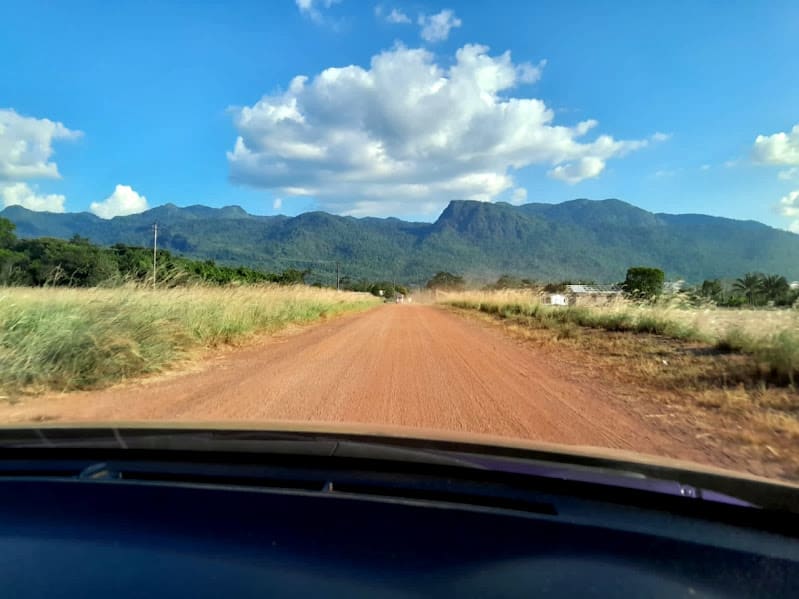
It is savannah country: grass, termite mounds, palm-lined creeks and long views to the mountains. The savannah covers roughly 13,000 square kilometres, set inside Region 9, the largest of Guyana’s ten regions.
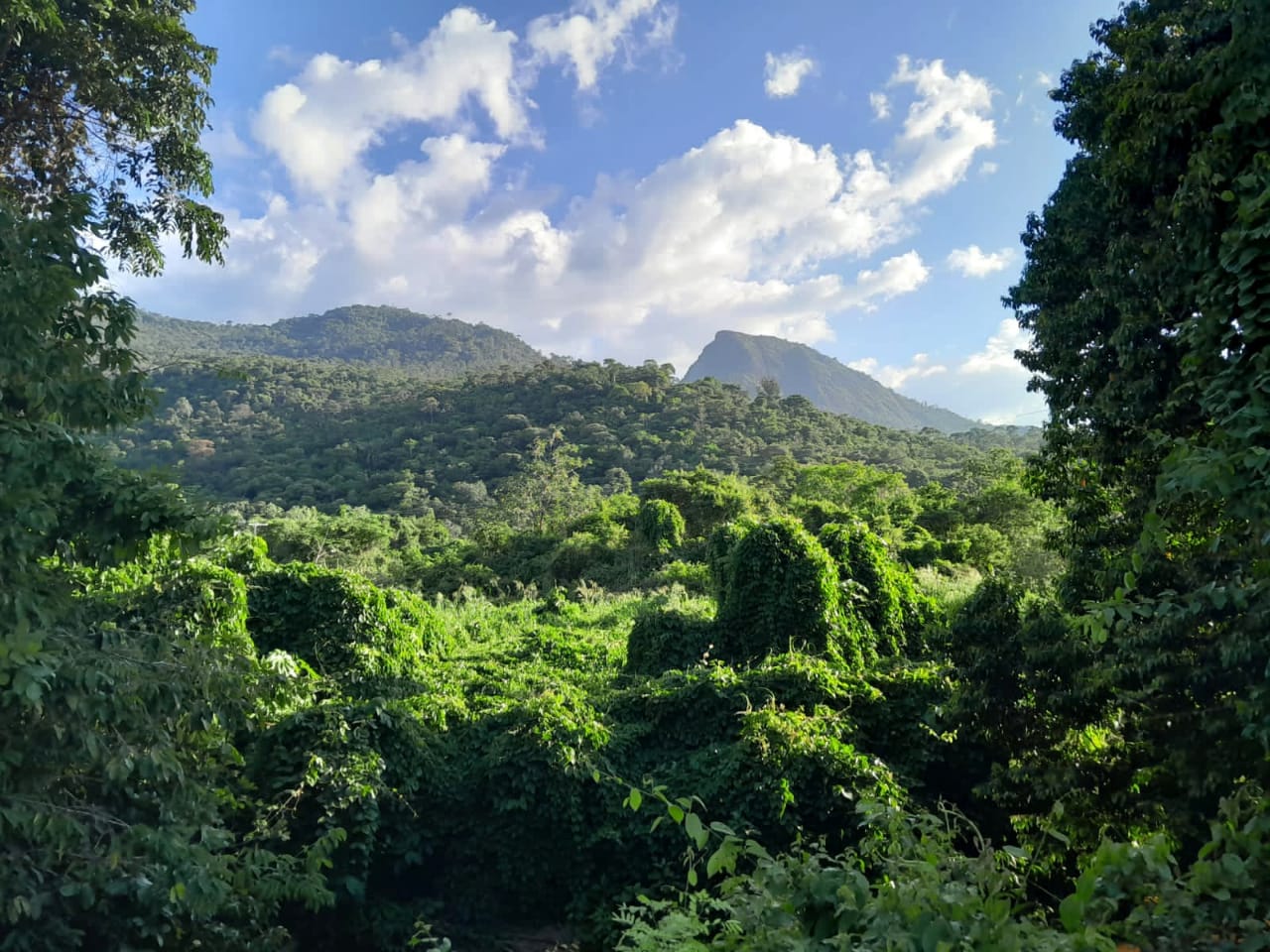
The Kanuku Mountains run east to west through the middle. North of them, the North Rupununi mixes savannah with forest, wetlands and the Rupununi River. South of them, the South Rupununi is drier, emptier ranch country running down towards the Wapishana villages and the Brazilian border.
Makushi, Wapishana and Wai Wai people have lived here long before the ranchers arrived. Most lodges sit on or next to titled village land, and many are owned by the villages themselves.
How do you get to the Rupununi?
By air: scheduled flights leave Ogle airport in Georgetown for Lethem and take about 90 minutes. Lethem has a paved runway, and Trans Guyana Airways, Air Services Ltd and Roraima Airways fly there. Baggage limits are tight on small planes, so pack light. Several of these airlines also fly charters into the interior.
By road: the Linden-Lethem road takes 12 to 16 hours, depending on weather and stops. Buses run overnight from Georgetown, and you cross the Essequibo by ferry at Kurupukari, at the edge of Iwokrama Forest. The Linden to Mabura Hill stretch is being paved and was 86 per cent complete in April 2026. Much of the road further south is still dirt, so it gets slow and muddy in the rains.
A popular plan is to fly one way and drive the other, stopping at Iwokrama. Read our Iwokrama Forest guide for that leg.
What is there to do in Lethem?
Lethem is a small, hot frontier town on the Takutu River, facing Brazil. It is a supply stop and a shopping town: Brazilians cross the bridge to buy goods in its stores, and Guyanese cross the other way.
From town you can reach:
- Kumu Falls: a series of small falls and pools at Kumu, a satellite village of St Ignatius, in the Kanuku foothills. Good for a cool swim.
- Moco-Moco Falls: a waterfall in the Kanuku foothills near Moco-Moco village, with cold pools for a swim. Go with a local guide.
- St Ignatius: a Makushi village next to Lethem, and the community Kumu belongs to.
What are the Kanuku Mountains like?
The Kanukus are a national protected area, set up in 2011 and covering about 611,000 hectares. The forest here holds a huge share of Guyana’s wildlife, including harpy eagles and giant otters.
There is no visitor centre. You see the mountains on guided trips from Lethem or from lodges like Caiman House at Yupukari, sometimes with nights at a forest camp. Multi-day treks with village guides from places like Parishara go deeper, with hammock camping and long walks. Our national parks guide covers the Kanukus in detail.
Where do you stay in the Rupununi?
Nights are spent at ranches and community lodges, not hotels. Expect simple rooms, generator or solar power, hammocks and shared meals.
North Rupununi: Rock View Lodge at Annai, Surama Eco-Lodge, Karanambu Lodge, Caiman House at Yupukari and Rewa Eco-Lodge. These are the river and wildlife lodges, covered in our Rupununi river trips guide.
South Rupununi: working cattle ranches with horses and wide views.
- Dadanawa Ranch: one of Guyana’s oldest and most remote ranches, off-grid, with horseback riding. It is about three to four hours south of Lethem by road, and rooms are few, so book ahead.
- Wichabai Ranch: stilted guesthouses on a working ranch, with riding, swimming and early-morning searches for giant anteaters.
Ranch life is the point here: ride out with vaqueros (local cowboys) and watch cattle work.
When is the Rupununi Rodeo?
The Rupununi Rodeo is held in Lethem every Easter weekend. It grew out of contests at the cattle roundups of the 1950s and 1960s and became an annual Easter event in the decades after. The 2026 edition ran on 3 and 4 April.
It takes place at the Triple R Rodeo Grounds, organised by the Rupununi Livestock Producers Association. Expect bareback bronc riding, calf roping and wild cow milking, plus horse racing, parades, music, crafts and food stalls.
Thousands of people come, so Lethem rooms and Easter flights sell out early. Book months ahead. In 2027, Easter Sunday falls on 28 March, so expect the rodeo that weekend and confirm the dates once they are announced.
How do you cross into Brazil from Lethem?
The Takutu River Bridge links Lethem with Bonfim in Brazil. It opened in 2009. Guyana drives on the left and Brazil on the right, so traffic changes sides on a crossover on the Guyana side.
To cross:
- Get your exit stamp at Guyana immigration in Lethem.
- Cross the bridge to the Brazilian Federal Police post in Bonfim for your entry stamp.
- Take a taxi or bus on to Boa Vista, the capital of Roraima state, about 125 km from Bonfim by road.
Do it in reverse on the way back, and never skip a stamp. Cross in daytime and ask locally about the posts’ opening hours before you set off.
Visas: Guyanese citizens can visit Brazil visa-free for up to 90 days. Since 10 April 2025, US, Canadian and Australian citizens need a Brazilian e-visa, applied for online in advance. Other nationalities should check Brazil’s rules before travelling.
Money: Bring Guyanese dollars for the Guyana side of the trip, and sort out Brazilian reais before you head on to Boa Vista.
When is the best time to visit the Rupununi?
September to April is the drier half of the year, with the easiest roads and the best savannah wildlife viewing. Heavy rain falls from about May to August, and parts of the savannah flood until September.
The wet season fills rivers and ponds and improves boat trips, but roads slow down and wildlife spreads out.
What wildlife can you see on the savannah?
The savannah is the best place in Guyana to see big animals in the open. Look for giant anteaters in the early morning grass, capybara by the creeks, and jabiru storks and other big wading birds around the ponds.
For giant otters, black caiman and arapaima, you need the rivers. Our Rupununi river trips guide covers those lodges and boat trips. For a species-by-species list, see our Guyana wildlife guide.
FAQ
Is the Rupununi safe to visit? Most visits go smoothly. The main risks are heat, sun and long road journeys, so travel with a guide or a reliable operator and carry water.
Can I do the Rupununi without a tour? You can fly to Lethem on your own. Getting to ranches and lodges takes transfers they arrange, so most people book lodges and transport together.
How many days do I need? Four nights covers Lethem and one or two lodges. Allow a week to combine the north, the south and Iwokrama on the drive.
Can I visit Brazil as a day trip from Lethem? Bonfim is just across the bridge, so yes. Boa Vista is far enough that most people stay at least one night.
Next step: Our sister company, Guyana Tours & Transportation Services, runs Rupununi and Lethem-Brazil trips. Heading out on the water? Read our Rupununi river trips guide.