Last checked: November 2026
Guyana has a handful of real food experiences rather than a polished cooking-class scene. The best are a seven curry cooking tour in Georgetown, a meal at a chef-run backyard restaurant, and a day spent processing cassava with an Indigenous family in the Rupununi. Book ahead: most run on request for small groups.
At a glance
- Where: Georgetown for cooking tours; Rupununi villages for Indigenous food
- Time needed: about five hours for a Georgetown tour; a full day or overnight in the Rupununi
- Cost: varies; ask for a current quote
- How to book: directly with operators or through tour platforms, a few days to weeks ahead
- Best time: September, Indigenous Heritage Month, for the widest range of Indigenous food
What is the seven curry tour?
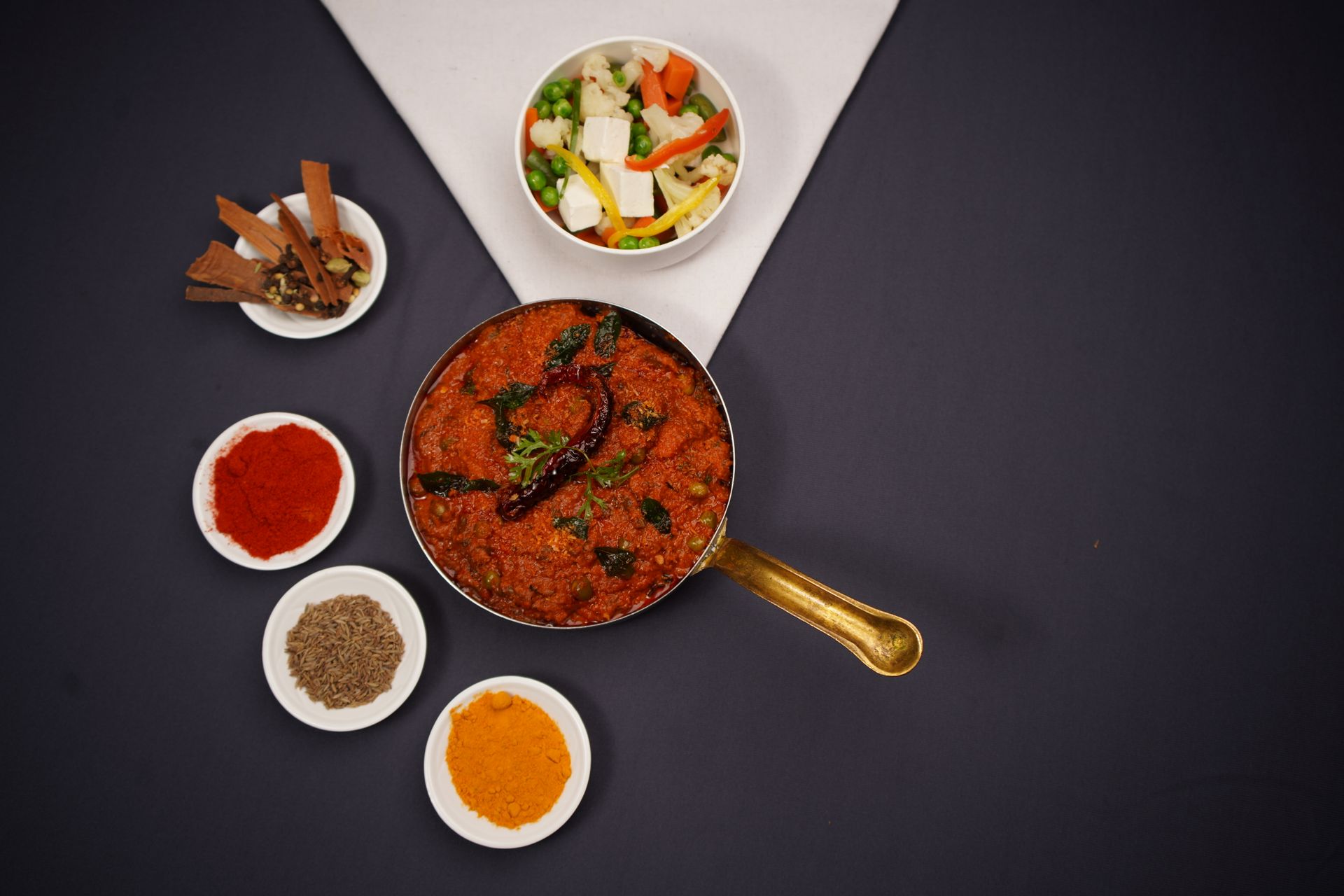
Seven curry is a Hindu festival meal of seven vegetarian curries served on a lotus leaf. Singing Chef Adventures, run by chef Eon John and his wife Jessica John, built a tour around it.
The day starts with a hotel pickup in Georgetown. You gather lotus leaves, walk through Bourda Market, and stop at a puri shop. Then you cook the curries with the chef, eat together and finish with a short song from him. Expect about five hours.
The tour is sold through several booking platforms. One listing showed dates only to late July 2026, so confirm it is still running before you plan around it. The same team has also run Taste of Freedom, a food tour about Guyana’s African heritage.
For more on the meal itself, see our vegan and vegetarian Guyana guide.
Where can you eat a chef-led meal in Georgetown?
Backyard Café is chef Delven Adams’ restaurant, served in a backyard in Georgetown and built around local produce. TIME named it one of the World’s Greatest Places in 2026, so book well ahead.
This is a meal, not a class, but it is the closest thing in Georgetown to cooking with a local chef.
Can you learn to make cassava bread in Guyana?
Yes, in Indigenous villages in the Rupununi. Cassava is the base of Indigenous food in Guyana, and preparing it takes most of a day.
Bitter cassava is grated, then packed into a matapee, a long woven tube that hangs from a beam. The weight stretches the tube and squeezes out the juice. The dry pulp is baked as a large flat cake on a hot pan, flipped once, then dried in the sun. That is cassava bread.
The squeezed juice is boiled for hours into cassareep, the thick black syrup that flavours and preserves pepperpot. Some of the pulp becomes farine, a dry, toasted cassava meal eaten like a grain.
In the South Rupununi, Wichabai Ranch offers days with a Wapishana family in a nearby village. You walk to the family’s cassava farm, help turn cassava into farine, watch cassava bread being baked and share a meal. Expect slow replies; the area is remote.
North Rupununi lodges in Indigenous communities, such as Surama, serve food grown in the village. Ask in advance if you want to see cassava bread made. Our Rupununi travel guide covers getting there.
What is tuma pot?
Tuma pot is an Indigenous stew of fish or wild meat cooked with hot pepper. Cooks often use cassava water as the base. Seasoning is simple, often only salt and pepper.
Common versions use labba (a large rodent), wild hog or river fish such as haimara. It is eaten with cassava bread, which you tear and dip.
You are most likely to find tuma pot in villages, and in Georgetown during Indigenous Heritage Month.
What food can you try during Indigenous Heritage Month?
Guyana marks Indigenous Heritage Month every September. In Georgetown, events centre on the Heritage Village at Sophia, with arts, craft and food exhibitions selling tuma pot, pepperpot, cassava bread, and drinks such as piwari and parakari. Piwari and parakari are fermented cassava drinks.
Each year a different village hosts Heritage Village Day. In 2026 it was Bumbury in Region One, on 12 September.
Read our Indigenous communities guide for etiquette when visiting villages.
FAQ
Are there cooking classes in Georgetown? A few. The seven curry tour includes hands-on cooking. Formal cooking schools for visitors are rare, so most experiences are run by individual chefs.
Is tuma pot the same as pepperpot? No. Pepperpot is stewed in cassareep and is dark and sweet-spiced. Tuma pot is a peppery stew of fish or wild meat, often made with cassava water.
Can I bring cassareep home? Cassareep is sold bottled in Georgetown markets and supermarkets. Check your home country’s customs rules for food before you pack it.
Do I need a guide to visit a village for food? Yes. Arrange visits through the village, a lodge or a tour operator, not by turning up unannounced.
Next step: Shopping for ingredients yourself? Read our guide to Guyana’s markets.