Some islands are famous for a beach. Grenada is famous for a scent. Nutmeg, cinnamon, cocoa and bay leaf turn up in the markets, the kitchens and even on the national flag, which is why Grenadians proudly call their home the Isle of Spice. This Island of the Week guide unpacks the Grenada Spice Isle story in three flavours: nutmeg, tree-to-bar chocolate and the rainforest waterfalls of the interior, with a hop across to the sister isles of Carriacou and Petite Martinique.
The timing is good, too. In October 2026 National Geographic named Grenada one of its Best of the World destinations for 2027, the same year Spicemas, the island’s carnival, marks its 150th anniversary.
The Grenada Spice Isle story: why nutmeg is on the flag
Grenada is a tri-island state, and all three islands share the spice identity. According to the Grenada Tourism Authority (GTA), the country has long grown and exported nutmeg, mace, cloves and cinnamon, alongside allspice, bay leaves, pepper, ginger and vanilla.
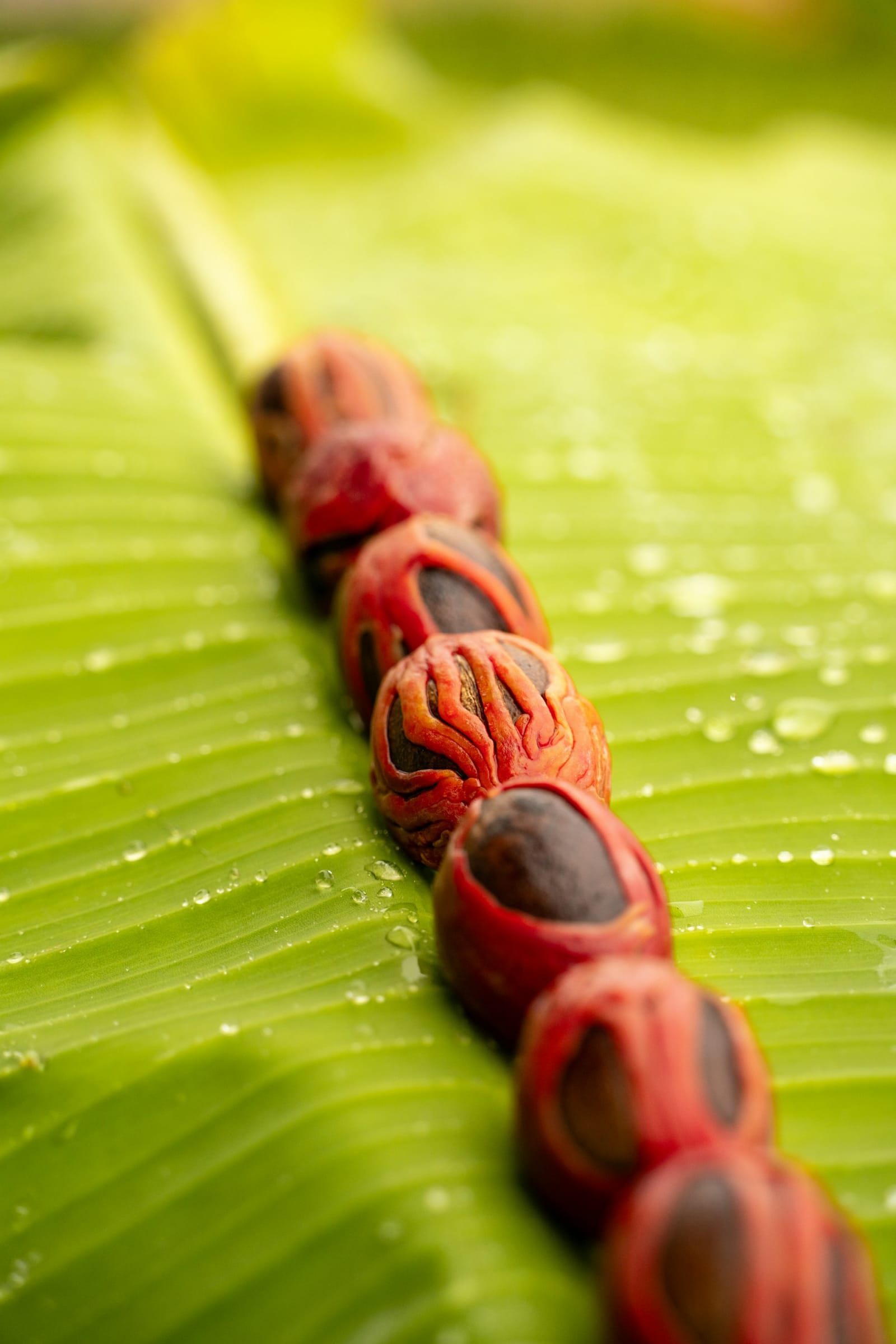
Nutmeg is the headliner. The GTA says the British brought it to Grenada in the late 1700s because the soil suited it and the island was closer to Europe than the old spice islands of the East Indies. For many years Grenada was the world’s second most important source of nutmeg, behind only Indonesia. When the ripe yellow fruit splits open, the GTA says, locals describe it as “a woman in a boat with a red petticoat”: the brown nut wrapped in bright red mace.
That pride is stitched into the national flag. The Government of Grenada explains that the nutmeg on the hoist stands for the Isle of Spice and its link to the economy, while the seven gold stars represent the seven parishes. The flag was designed by Anthony C. George of Soubise, St Andrew, and adopted on Independence Day, 7 February 1974. Look closely at the coat of arms and you will find a sprig of nutmeg and a cocoa pod there as well, beside a picture of Grand Etang Lake.
You taste the spices everywhere. Turmeric, which Grenadians call saffron, gives the national dish, oil down, its golden colour: breadfruit, salted meat, dumplings and callaloo stewed down in coconut milk. Mace seasons soups and stews, bay leaf flavours the classic tania log porridge, ginger beer is a Christmas tradition, and a shake of grated nutmeg on top of a rum punch is practically compulsory.
See nutmeg at work in Gouyave
To see where the spice story happens, head up the west coast to Gouyave in St John. The Gouyave Nutmeg Processing Station, run by the Grenada Co-operative Nutmeg Association, is one of the largest nutmeg processing factories on the island, and the GTA lists guided tours for visitors. Inside, nutmegs are sorted and dried and the mace is separated from the nut, and the scent greets you at the door. It is a working station, so check opening days before you set off, and pick up a bag of whole nutmegs to grate at home.
Tree-to-bar chocolate
Cocoa is the Spice Isle’s other treasure, and Grenada has become a small giant of craft chocolate. The Grenada Chocolate Company, founded by the late Mott Green, pioneered the idea of making fine organic chocolate in the same place the cocoa grows, from tree to bar, rather than shipping beans abroad. Its partner, Belmont Estate in the north-east, is a centuries-old working plantation where cocoa from the estate and neighbouring organic farms is fermented and dried.
Belmont runs a bean-to-bar chocolate tour that should be booked at least a day ahead, and a visit usually ends with a tasting. Other island makers include Jouvay and Crayfish Bay, so a chocolate lover can easily build a whole day around cocoa.
For the full experience, plan around the Grenada Chocolate Fest, held each May at True Blue Bay Boutique Resort near Grand Anse. The 13th edition ran from 22 to 27 May 2026 with farm visits, workshops and tastings. As of November 2026 the 2027 dates have not been announced, so watch the festival’s own channels.
Waterfalls and the Grand Etang rainforest
Grenada’s interior is volcanic, steep and green, and that is where the waterfalls live.
Annandale Waterfalls
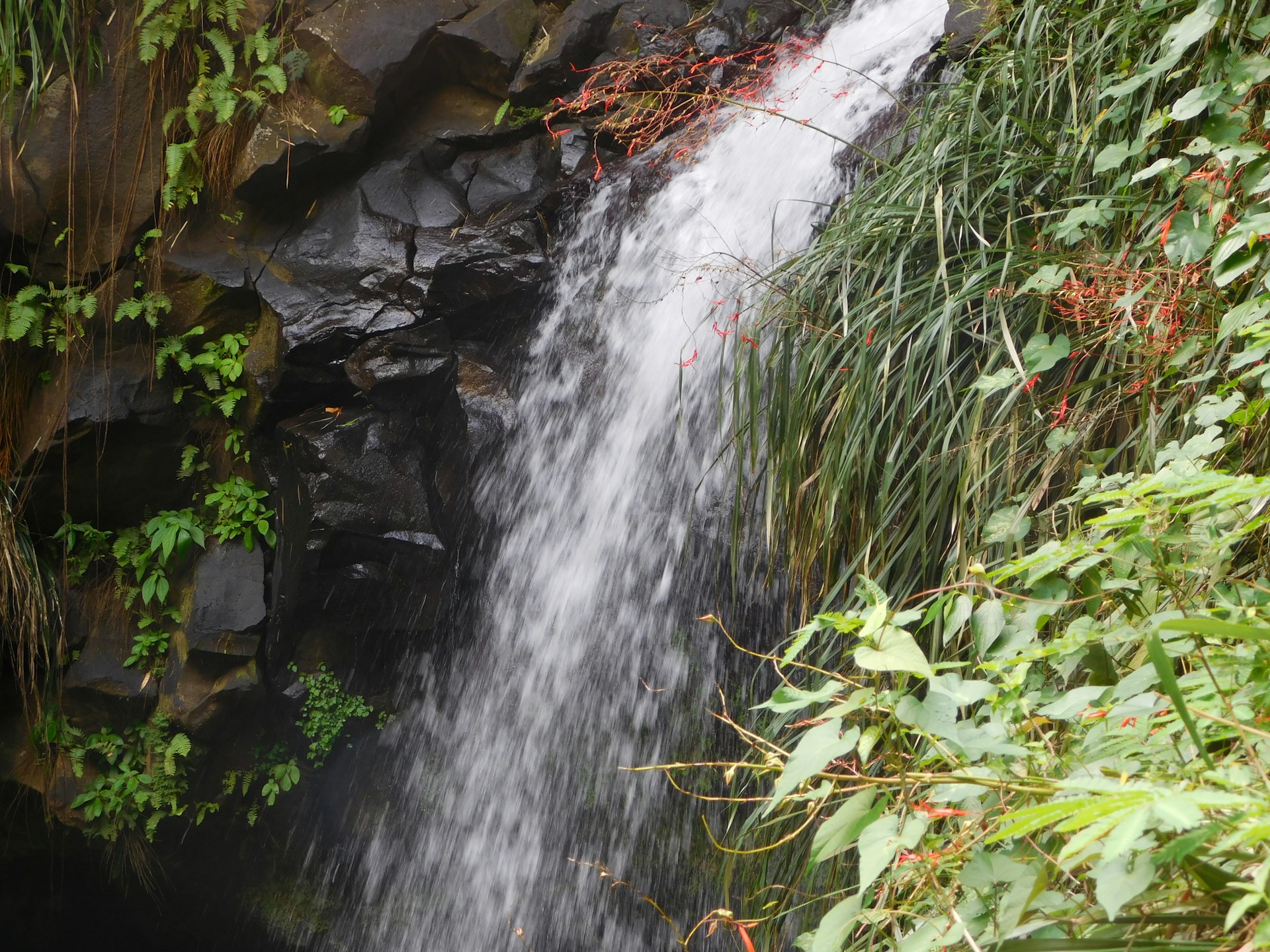
The easiest to reach is Annandale, which the GTA places about 20 minutes’ drive from St George’s. Water drops about 30 feet over a rocky ledge into a pool that glows emerald on a sunny day, gentle enough for a relaxed family swim. There is an interpretation centre and a restaurant overlooking the falls, so it suits travellers who want the beauty without a hike.
Grand Etang National Park and Forest Reserve
Higher up, Grand Etang Lake sits in the crater of an extinct volcano, about 530 metres above sea level and roughly 36 acres in size. The forest reserve around it holds four of Grenada’s highest peaks and a network of trails, from 15-minute strolls to hikes of several hours. The two-kilometre Shoreline Trail loops around the lake, and the three-kilometre (one way) Mount Qua Qua trail follows the ridge through cloud forest for big views. As of November 2026 the GTA lists a visitor fee of US$2 (EC$5.34).
Keep your eyes on the trees. Mona monkeys, which arrived from West Africa in the 1700s, are often spotted near the lake, along with hummingbirds, the broad-winged hawk Grenadians call the gree-gree, and the tiny Grenada frog, found only on this island and first discovered on the shore of Grand Etang in 1961.
Seven Sisters Falls
For a proper adventure, hike to the Seven Sisters, a chain of falls on the edge of the national park, also known as St Margaret’s Falls. The popular short route crosses a private estate planted with cocoa, nutmeg and bananas, and the narrow trail can be steep and muddy, so wear shoes with grip and go with a local guide. Depending on the route, the walk in takes roughly 20 to 45 minutes, and the reward is a cool swim in the pools below. It is the perfect way to see the Spice Isle growing in the wild.
Grand Anse and the beaches
Spices and waterfalls aside, Grenada still has the sand. National Geographic counts nearly four dozen beaches, and the star is Grand Anse, which the GTA describes as two miles of white sand and calm turquoise water just south of St George’s. Off the west coast, the Underwater Sculpture Park, created by artist Jason deCaires Taylor in 2006, turns a snorkel trip into an art gallery.
Carriacou and Petite Martinique
Grenada’s sister isles feel like a slower, smaller world. National Geographic puts Carriacou about a 20-minute flight or around two hours by ferry from the main island. The Osprey ferry runs from St George’s along the scenic west coast to Hillsborough on Carriacou, then on to Petite Martinique; check the operator’s current timetable before you plan. Carriacou is known for boatbuilding and sailing, day trips to Sandy Island and White Island, and the Big Drum, a heritage dance we explored in our Big Drum Dance of Carriacou explainer.
Planning your Spice Isle trip
- When to go: National Geographic notes the dry season runs from January to May, and May brings Chocolate Fest.
- Spicemas 2027: Grenada’s carnival celebrates its 150th anniversary in 2027. Confirm dates with the official Spicemas organisers.
- Getting around: St George’s is walkable, but for spice estates and waterfalls hire a driver or a licensed local guide.
- Events: Check our Caribbean Events Calendar for festivals across the region, and read about this year’s first Grenada Flower and Garden Festival.
Quick facts
- Country: Grenada, a tri-island state of Grenada, Carriacou and Petite Martinique
- Capital: St George’s
- Nickname: the Isle of Spice, or Spice Isle
- Independence: 7 February 1974
- National dish: oil down
- National flower: bougainvillea
- National bird: the Grenada dove, found only on Grenada
- Must-try: nutmeg on rum punch, local dark chocolate, a dip at Annandale Waterfalls
FAQ
Why is Grenada called the Spice Isle?
Because spices have shaped its history and economy for centuries. Grenada grows nutmeg, mace, cloves, cinnamon, ginger, bay leaf and more, and for many years it was the world’s second-biggest source of nutmeg. The nutmeg even appears on the national flag.
Can visitors tour a nutmeg factory or chocolate estate?
Yes. The Gouyave Nutmeg Processing Station on the west coast offers guided tours, and Belmont Estate in the north-east runs bean-to-bar chocolate tours that should be booked in advance. Check opening days before you go.
Which Grenada waterfall is best for beginners?
Annandale Waterfalls is the easiest, about 20 minutes from St George’s with a calm pool and facilities on site. Seven Sisters Falls is the more adventurous choice and is best done with a local guide.
Sources
- Grenada Tourism Authority: Grenada, the Spice of Life
- Government of Grenada: National Symbols
- Grenada Tourism Authority: Gouyave Nutmeg Processing Station
- Grenada Tourism Authority: Grand Etang National Park and Forest Reserve
- Grenada Tourism Authority: Annandale Waterfalls
- Grenada Tourism Authority: Grand Anse Beach
- Grenada Tourism Authority: getting to Carriacou and Petite Martinique
- National Geographic: Best of the World 2027, Grenada (20 October 2026)
- Princess Cruises: Seven Sisters trail description
- Chocablog: Belmont Estate and the Grenada Chocolate Company
- Lonely Planet: Belmont Estate
- Caribbean Journal: Grenada’s chocolate makers
- St Vincent Times: Grenada Chocolate Festival 2026
— Harpy Express Barbados & OECS Desk