Last checked: November 2026
Adventure in Guyana means rainforest and savannah reached by small plane, boat and 4×4, then explored on foot with local guides. The best trips are the overland trek to Kaieteur Falls, Iwokrama’s forest and canopy walkway, wildlife lodges in the Rupununi, and river journeys on the Essequibo and its tributaries. Expect basic comforts, long travel days and wildlife you have to work for.
At a glance
- Where: mostly the interior: Kaieteur National Park, Iwokrama, the Rupununi and the Essequibo river system
- Getting there: small planes from Ogle airport in Georgetown, or the rough Linden–Lethem road
- Time needed: from a same-day flight to Kaieteur up to 7–10 days for a combined forest and savannah trip
- Cost: varies; ask for a current quote
- Best time: mid-August to April inland; May to mid-August is the main rainy season
Can you hike to Kaieteur Falls instead of flying?
Yes, and it is Guyana’s classic adventure trip. Most people fly in for a few hours. The overland route takes several days and ends with you standing on the plateau you climbed.
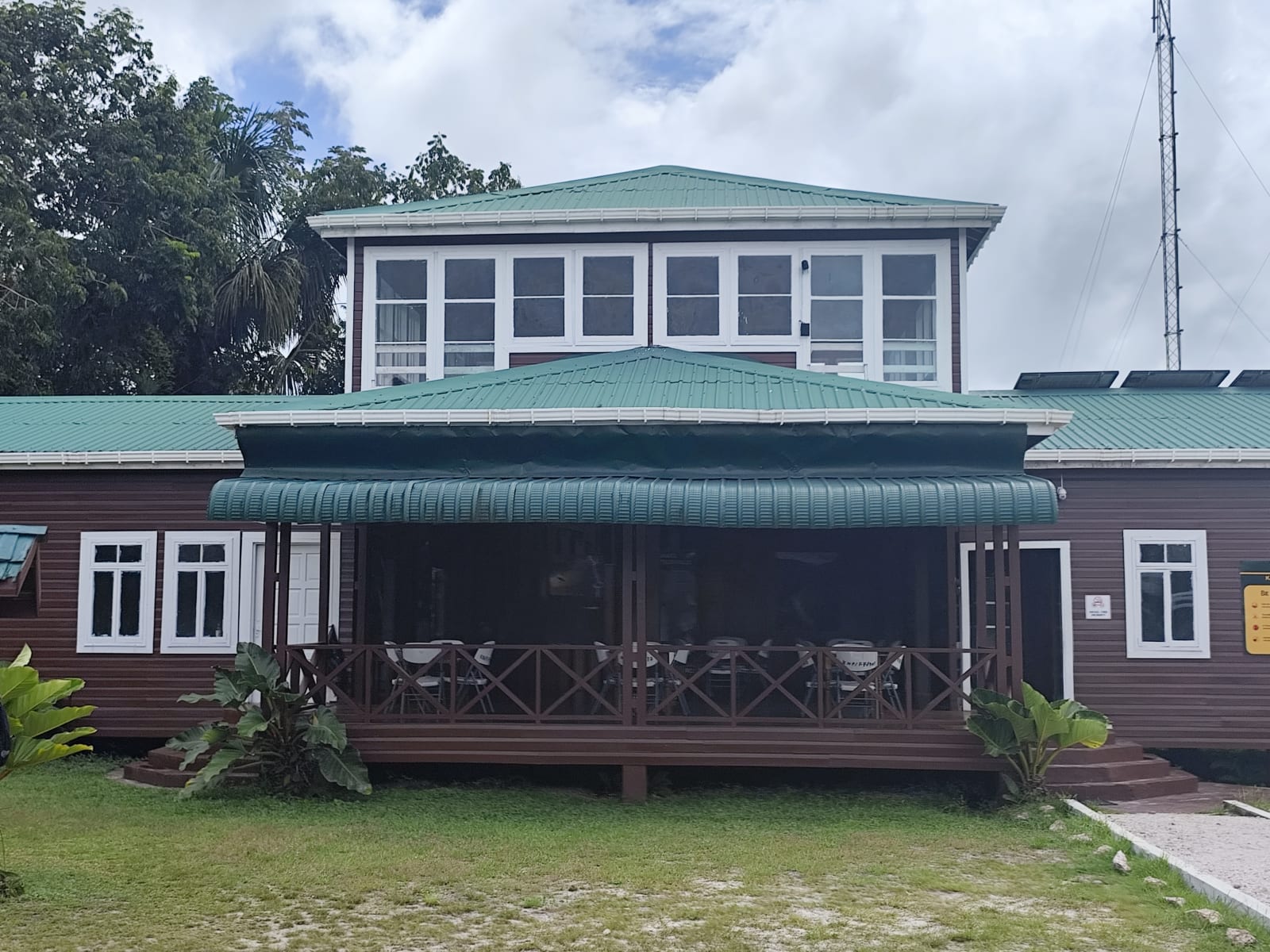
A typical itinerary drives about eight hours from Georgetown through Mahdia to a landing on the Potaro River. From there you travel by boat and on foot past Amatuk and Waratuk to Tukeit, at the foot of the falls. The last day is a steep, hot climb of four to six hours up to the top. Most trips fly back to Georgetown from Kaieteur’s airstrip. Plan on about a week from Georgetown and back.
You need reasonable walking fitness and should be fine with camping in hammocks. Our Kaieteur Falls guide covers the fly-in option.
What can you do in the Iwokrama rainforest?
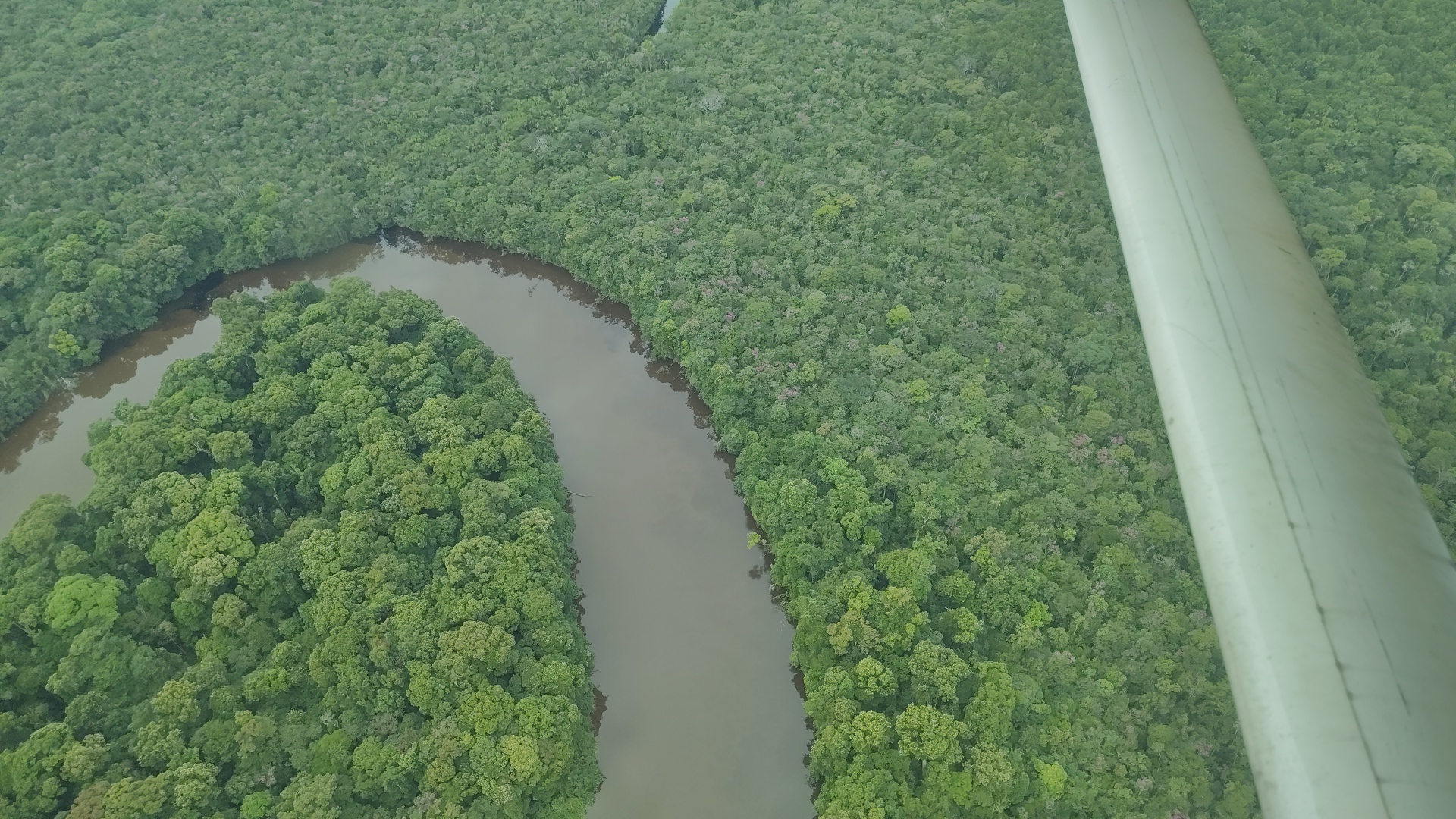
Iwokrama is 371,000 hectares of protected rainforest in central Guyana, run by the Iwokrama International Centre with neighbouring Indigenous communities. It is the easiest place to spend several nights deep in the forest with trained guides.
The main activities:
- Canopy walkway: a chain of platforms and suspension bridges up to 30 metres high and 154 metres long, near Atta Rainforest Lodge. Go at dawn for birds and monkeys. Only a few people can be on each section at once, and it is not for anyone with a strong fear of heights.
- Turtle Mountain: a guided hike of about two hours to the summit, with views over unbroken forest.
- River trips: boat outings on the Essequibo from the River Lodge at Kurupukari, including fishing and evening spotlighting for caiman.
Jaguars, harpy eagles and arapaima (one of the world’s largest freshwater fish) live in the forest. Sightings of the big animals are luck, not a promise. For more on Guyana’s protected areas, see our national parks guide.
What wildlife trips can you do in the Rupununi?
The Rupununi is Guyana’s southern savannah, with wetlands, rivers and forested mountains. It is the best region for seeing large animals in the open.
Trips are built around lodges, most of them ranches or run by Indigenous villages:
- Karanambu: known for giant river otters and morning walks to find giant anteaters.
- Caiman House, Yupukari: join researchers at night as they catch, measure and release black caiman.
- Surama: a Makushi village lodge with guided forest walks led by village guides.
- Rewa Eco-Lodge: usually reached by boat from Kwatamang Landing, two to six hours upriver depending on water levels. It is known for wildlife and for catch-and-release sport fishing for arapaima, managed by the community. Fishing permits are limited each season, so check dates with the lodge.
- Rock View: a lodge at the foot of the Pakaraima Mountains, used as a base for birding.
Flights from Ogle to Lethem take about an hour. The road takes 12 hours or more and floods in the wet season. Our Rupununi river trips guide and birdwatching guide go into detail.
Are there river trips near Georgetown?
Yes, if you only have a day. Speedboats from Parika run up the Essequibo to Fort Island and its 1744 Dutch fort, the ruins of Fort Kyk-Over-Al, Baracara Falls for a swim, and Bartica for lunch. The boat ride is fast and bumpy.
Is there white-water rafting or ziplining in Guyana?
Not as an everyday tourist product. Older travel articles mention rafting on the Essequibo and canopy ziplines, but we could not find operators running these as regular trips. Long-distance kayaking expeditions on the Essequibo have been done, but they are specialist journeys lasting weeks.
If you want speed and spray, the realistic options are river boat trips through rapids, the bumpy Essequibo speedboat ride, or the overland Kaieteur trek. Check directly with your operator before booking anything advertised as rafting.
When can you see nesting sea turtles?
At Shell Beach, Guyana’s only coastal protected area, in the Barima-Waini region near the Venezuelan border. Four endangered species nest there, including leatherbacks, between February and July.
It is a remote trip: a small plane to Mabaruma and then boats, with basic lodging and night patrols led by community rangers. Keep torches off and stay well back from nesting turtles.
Do you need a guide for eco-tours in Guyana?
For the interior, yes. Trails are not signposted, rivers change with the seasons, and many sites are on Indigenous titled land where visits are arranged with the village. Guides also find far more wildlife than you will alone.
When choosing a trip, ask:
- Who the local guides are, and whether the community benefits from the visit
- What is included: flights, boats, meals, park fees and village fees
- What happens if a flight is cancelled for weather
- How much baggage the small planes allow; domestic limits can be as low as 9 kg (20 lb) on some routes
Ask before photographing people in villages, carry insect repellent and quick-dry clothes, and check vaccination advice for the interior with a travel clinic before you go.
FAQ
What is the best eco-tour in Guyana for a first visit? A Kaieteur and Orinduik day flight, followed by a few nights at Iwokrama or in the Rupununi. That gives you the waterfalls, the rainforest and the savannah in about a week.
Is Guyana good for wildlife? Yes, especially the Rupununi for giant anteaters, giant otters and caiman, and Iwokrama for forest birds and monkeys. Big cats are present but rarely seen.
When is the best time for adventure travel in Guyana? Mid-August to April inland. From May to mid-August, rain floods much of the Rupununi and makes roads hard going.
Are Guyana eco-tours suitable for families? Many are. The Essequibo day trip and most Rupununi lodges suit families; the overland Kaieteur trek is better for fit teens and adults.
Next step: Our sister company, Guyana Tours & Transportation Services, runs Iwokrama canopy walkway trips. To choose your region first, read our best places to visit in Guyana guide.