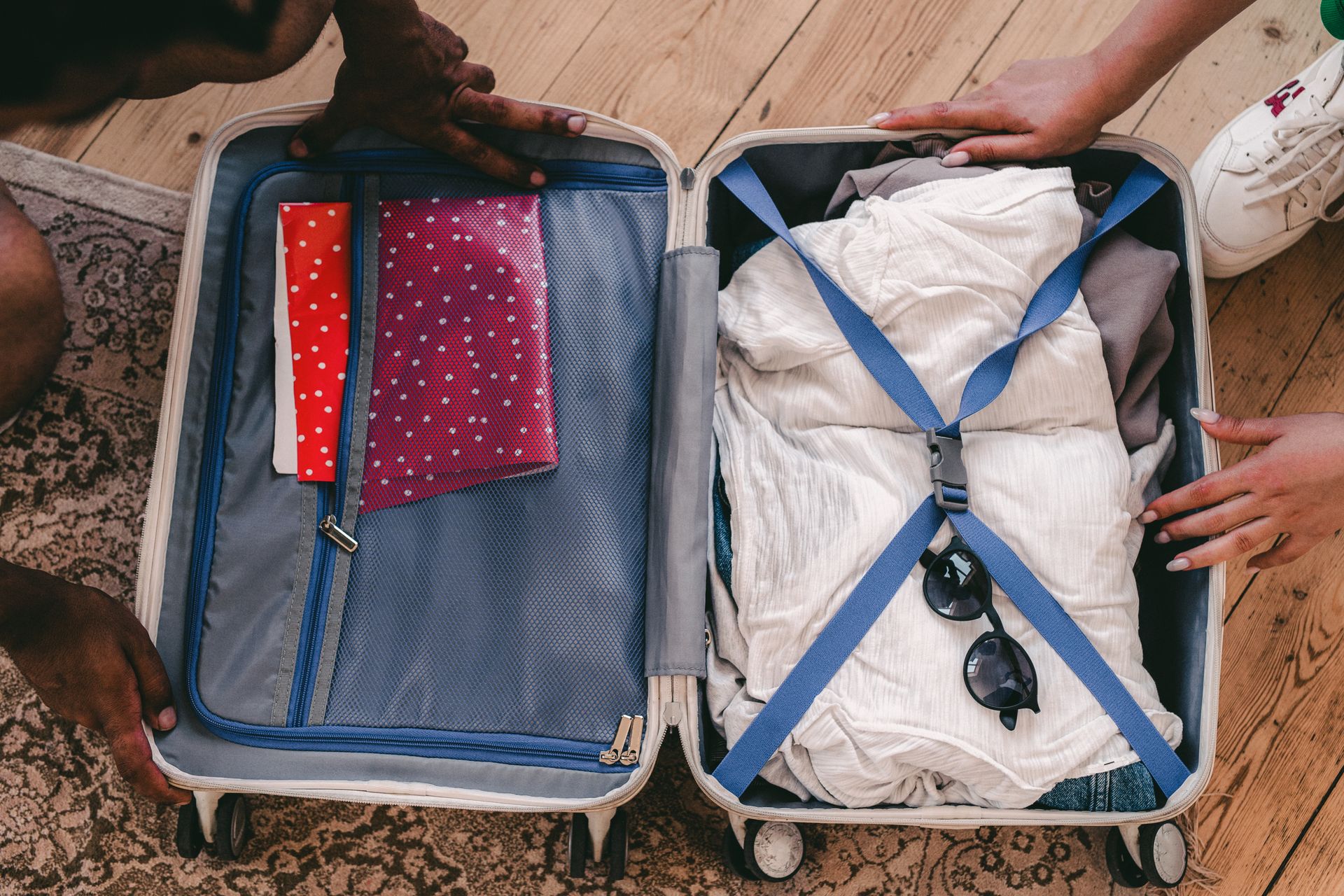
One morning you are stepping off a small plane onto a red-dirt airstrip in the rainforest. A few days later you are on a white-sand beach with a coral reef just offshore. Pairing Guyana’s interior with an island stay is one of the best ways to see the region, but it gives you a packing puzzle. This Caribbean packing list sorts it out: what the rainforest needs, what the beach needs, what works for both, and how to fit it all under the strict weight limits on interior flights.
Start with the weight limit, not the wardrobe
If your trip includes Guyana’s interior, the small plane sets the rules. As of November 2026, the Guyana Tourism Authority says passengers on regularly scheduled interior flights may bring only 20 pounds (about 9 kg) each. It suggests arranging any extra baggage, which costs more, before you fly, because space is not guaranteed. The aircraft are small Cessnas and 19-seat Beechcraft, so every pound counts.
Trans Guyana Airways spells out the detail. As of November 2026, its baggage page sets a combined free allowance of 9 kg (20 lb) for cabin and checked bags on its Lethem service. Any single cabin bag must stay under 4.5 kg (10 lb) and be no larger than 18 x 30 x 33 cm. The airline says it will not accept more than 50 lb of total baggage as excess.
The practical answer is a two-bag system:
- Interior bag: a soft duffel or backpack, packed to 20 lb, holding only what you need in the forest or on the savannah
- Beach and city bag: everything else, left with your Georgetown hotel or carried on your international flight
Ask your hotel or tour operator whether they can store a bag for you while you are inland.
The rainforest packing list
The Guyana Tourism Authority’s own advice is the best place to start. As of November 2026, its travel tips recommend versatile activewear that covers you from head to toe, in layers, breathable fabrics and light colours. Here is how that translates:
Clothing
- Two or three pairs of lightweight trousers
- Long-sleeved shirts for sun and insects, plus a couple of t-shirts
- A light layer for evenings. The tourism authority notes that nights can cool down a little.
- A compact, lightweight rain jacket. Guyana’s showers can arrive quickly in any season.
Feet
- Hiking shoes for trails such as the walk to the Kaieteur lookouts
- Waterproof sandals. The tourism authority says they are ideal for swimming in blackwater creeks and for outdoor showers at lodges.
- Extra socks, because damp feet are the enemy on a long walk
Bites, sun and comfort
- Insect repellent. The tourism authority calls it necessary and recommends local brands and traditional plant oils.
- Anti-itch cream or calamine lotion
- A sun hat, sunglasses with polarised lenses, and a bandana or small towel
Gear
- A headlamp or torch, for night walks and lodge paths after dark
- Binoculars, if birds and wildlife are high on your list
- A power bank. Many lodges run on solar power and generators, the tourism authority notes, so charging can be limited.
- Resealable plastic bags to keep your phone, camera and documents dry on boat trips
For a deeper look at trekking prep, read our guide to getting ready for a jungle trek in Guyana. If you are bringing a camera, our Guyana travel photography tips cover keeping gear dry under small-plane limits.
The beach packing list
Island days ask for less, but one item needs real thought: sunscreen.
Choose reef-safe sunscreen
Some Caribbean destinations have banned sunscreens with chemicals linked to coral damage. As of November 2026, Bonaire.com says the island has banned both the sale and the use of sunscreens containing oxybenzone and octinoxate since 1 January 2021. Visitors cannot use them in the sea. In the US Virgin Islands, a law took effect in March 2020 that bans sunscreens containing oxybenzone, octinoxate and octocrylene, according to the St Croix Source.
Rules differ from island to island and can change. The simple fix is to buy a mineral sunscreen before you leave home and check the label for those three ingredients. You will protect your skin and the reef at the same time.
Everything else for the beach
- Two swimsuits, so one can dry while you wear the other
- A rash guard or long-sleeved swim top, which cuts down on how much sunscreen you need
- Your waterproof sandals from the rainforest bag, which double as beach shoes
- A light cover-up for walking into town or grabbing lunch off the beach
- A reusable water bottle
- Snorkel mask, if you have one that fits well
Caribbean packing list: items that work for both
The secret to a light bag is choosing clothes that do double duty:
- Quick-dry trousers and shirts: trail-ready in the forest, smart enough for dinner on the coast
- Waterproof sandals: creek swims, lodge showers, beach days
- Sun hat and polarised sunglasses: savannah glare and sea glare
- Rain jacket: a forest essential and a windbreaker on a boat or ferry
- Dry bags or zip bags: river crossings and boat trips to the reef
- Power bank: solar-powered lodges and long beach days alike
Packing by season
Guyana has dry and green (wet) seasons, and the coast and the interior follow different calendars. In the green season, add an extra pair of socks, a second quick-dry shirt and more dry bags. In the dry months, focus on sun protection and water.
Planning your route? Our 3-day Guyana itinerary shows how a Kaieteur day trip fits around a Georgetown stay. That makes it easy to leave your beach bag in the city while you fly light to the falls.
Quick facts
- Interior flight limit: 20 lb (about 9 kg) per person on scheduled flights, per the Guyana Tourism Authority, as of November 2026
- Trans Guyana Airways cabin bag: up to 4.5 kg (10 lb), as of November 2026
- Bonaire: sale and use of oxybenzone and octinoxate sunscreens banned since 1 January 2021
- US Virgin Islands: oxybenzone, octinoxate and octocrylene sunscreens banned since March 2020
- Must-pack for the forest: rain jacket, insect repellent, headlamp, waterproof sandals
FAQ
How much luggage can I take on a flight to Kaieteur Falls?
As of November 2026, the Guyana Tourism Authority says scheduled interior flights allow 20 pounds (about 9 kg) per person. Many Kaieteur day trips run as charters, which can set their own limits. Extra weight costs more and depends on space, so confirm with your airline or tour operator before you fly.
What is reef-safe sunscreen?
It usually means a sunscreen without the chemicals some islands have banned, such as oxybenzone and octinoxate. Mineral sunscreens are a common choice. Always check the label and the rules at your destination.
Do I need hiking boots for Guyana?
Sturdy hiking shoes are enough for most trips. The Guyana Tourism Authority recommends hiking shoes, comfortable footwear for relaxing, and waterproof sandals for creeks and outdoor showers.
Sources
- Guyana Tourism Authority: Travel tips (packing list)
- Guyana Tourism Authority: How to get around
- Trans Guyana Airways: Baggage allowances and limits
- Bonaire.com: Reef-safe sunscreen on Bonaire
- InfoBonaire: Bonaire says no to oxybenzone
- St Croix Source: USVI sunscreen ban takes effect
— Harpy Express Travel Smart Desk