
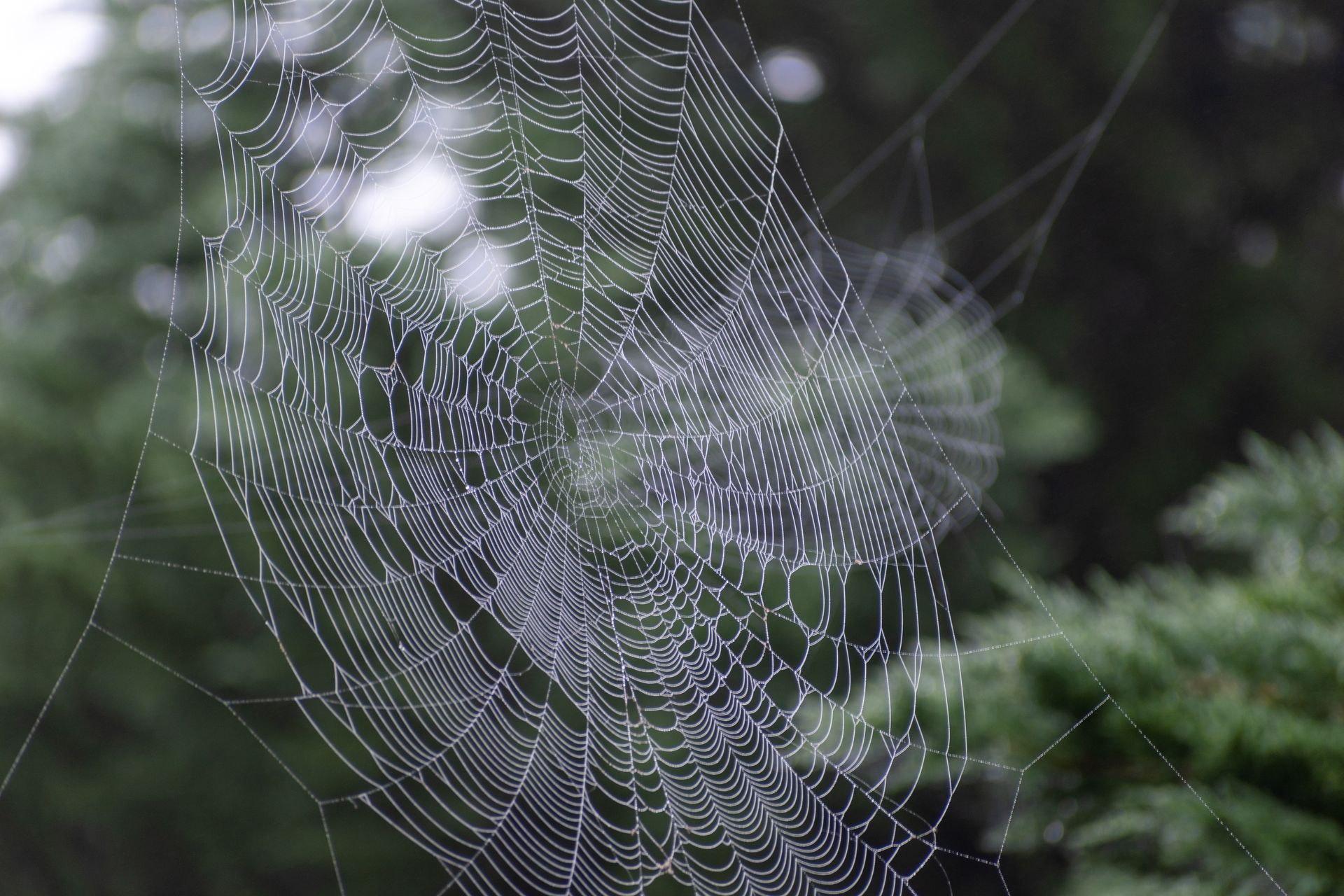
Caribbean A–Z is our trip through the region’s culture, one letter at a time. We start at the very beginning, with a small spider who carries the biggest stories.
Ask a grandparent in Kingston, Paramaribo or Willemstad about Anansi stories and you will probably get a grin before you get an answer. Anansi, the spider who is sometimes a man and sometimes something in between, is one of the best-loved characters across the Caribbean. He is clever, greedy, lazy, funny and always one step ahead of the bigger animals around him. And he turns up, under a dozen different names, from Jamaica to Curaçao to Suriname and well beyond.
So A is for Anansi. Here is where he came from, what he is called on different islands, and how his stories are still being told today.
Where Anansi stories come from
Anansi’s home is West Africa, among the Akan people of what is now southern Ghana. In the Akan language, ananse simply means spider. The Netherlands’ national register of intangible heritage notes that the tales were already being told at the start of the seventeenth century. In the oldest tellings Anansi is closer to a god or creator. Over time he becomes the trickster we know today.
London’s Natural History Museum calls Ananse “the keeper of stories”. That fits one of the best-known Akan tales, in which the spider wins all the world’s stories from the sky god. That is why folk tales in parts of West Africa and the Caribbean are still called Anansi stories, even when the spider never shows up in them.
How Anansi crossed the Atlantic
The stories reached the Caribbean and the Americas with enslaved Africans during the transatlantic slave trade. People could take very little with them, but they took their stories. On plantations where singing and dancing were often forbidden, the heritage register notes, storytelling took on a huge importance.
Anansi was the perfect hero for those times. He is small and has no power, but he beats Tiger, the king and everyone else who is bigger and stronger, using nothing but his wits. Dutch broadcaster NOS notes that storytellers sometimes used the tales to make plantation owners look foolish, and the owners listening did not always realise it. A spider who survives on brains alone was a hopeful and quietly rebellious figure, and that is part of why he has lasted.
One spider, many names
Every community that took Anansi in gave him its own name and its own accent. Some of the names recorded across the region and its diaspora:
- Jamaica: Anancy, Bra Nansi or Nancy Spida. Kwaku Ananse, his Akan name, is known too.
- Curaçao and Bonaire: Kompa Nanzi, or just Nanzi, in Papiamentu.
- Aruba: Compa Nanzi.
- Suriname: Ba Anansi. The tales themselves are called Anansi-tori.
- US Virgin Islands: Bru Nansi.
- The Bahamas: Anansi Drew.
- Guyana: Brer Anansi or Brudda Anansi.
- Haiti: Ti Malice, a trickster in the same mould.
The cast around him changes too. In the Dutch-Caribbean tradition his wife is Akuba and his great rival is Tigri, the tiger. In Curaçao he often outsmarts Shon Arei, the king. “Shon” is a respectful way of addressing someone in Papiamentu. In Jamaica, Tiger and Donkey are among the animals who usually come off worst.
Jamaica: Anancy, Miss Lou and the stage
Few people did more for Anancy in Jamaica than Louise Bennett-Coverley (1919–2006), the poet and folklorist the whole island knows as Miss Lou. One of her first books, Anancy Stories and Poems in Dialect, came out in 1944. It put Jamaican patois and its folk hero on the printed page at a time when many people thought neither belonged there. In 2018 a signed copy turned up at a scout group’s book sale in England. It was handed over to the National Library of Jamaica at the Jamaican High Commission in London.
Anancy also made it to the stage. The National Library’s Miss Lou Collection holds a 1969 photograph from the pantomime Moonshine Anancy, with Ranny Williams out front and Miss Lou in costume as a police officer. Jamaica’s pantomime has long been one of the places where the island’s folk characters come to life for new audiences.
Curaçao and Suriname: Nanzi and Anansi-tori
In Curaçao, kuenta di Nanzi (Nanzi stories) are a treasured part of Papiamentu culture. Writers have kept them in print, among them Nilda Geerdink-Jesurun Pinto, who published Nanzi stories in Papiamentu. Researchers have also recorded storytellers on the island telling tales such as “Nanzi and the Tar Puppet” and “How Nanzi Picked Beans”, so the spoken versions are kept as well as the written ones.
Suriname has its own rich store of Anansi-tori. When Surinamese and Antillean families settled in the Netherlands after the Second World War, the stories travelled with them. In 2016 the Anansi storytelling tradition was added to the Netherlands’ national inventory of intangible cultural heritage. The listing was celebrated at a new Anansi tree at the Dutch Open Air Museum in Arnhem, where storytellers with Afro-Caribbean roots perform.
Why Anansi stories still matter
Anansi is not a role model, and that is the point. He lies, he cheats, he is greedy, and quite often his tricks backfire. Each story makes you laugh and then leaves you thinking: about pride, about sharing, about how the small can stand up to the mighty. As the Dutch heritage register puts it, the stories “are in fact not about a spider, but about man in general.”
Many Jamaican Anancy tales end with a proverb. And because the tradition is oral, every teller adds their own voices, jokes and local details. That is why a Nanzi story in Willemstad and an Anancy story in St Elizabeth can share a plot and still feel completely different.
Where to hear Anansi stories today
- The Anancy Festival: a family festival of Caribbean storytelling that began in South Florida. Its co-founders include Xavier Murphy of Jamaicans.com and Dr Andrea Shaw of Nova Southeastern University. It came to Kingston for the first time in 2011, at the St Andrew Parish Library, with storyteller Amina Blackwood Meeks. The 2023 edition was held at Island SPACE Caribbean Museum in Plantation, Florida. Check the organisers’ channels for future dates.
- Libraries and schools: across the Caribbean and the diaspora, libraries are where many children first meet Anansi, in story hours and in books.
- The Netherlands: the Anansi tree at the Openluchtmuseum in Arnhem hosts storytellers who keep the Surinamese and Antillean tradition alive.
- At home: the heritage register points out that most Anansi stories have always been told in the home, from parent to child. Ask an elder in your family. There is a good chance they have one ready.
If you love the region’s living traditions, read our guide to visiting Indigenous communities in Guyana, where stories and knowledge also pass from elders to young people. For another tradition families keep alive, see how Guyana celebrates Old Year’s Night.
Quick facts: Anansi
- Who: a spider trickster, part man and part spider
- Origin: the Akan people of present-day Ghana. Ananse means spider.
- Caribbean names: Anancy (Jamaica), Kompa Nanzi (Curaçao, Bonaire), Compa Nanzi (Aruba), Ba Anansi (Suriname), Bru Nansi (Virgin Islands)
- Classic rivals: Tiger (Tigri), the king (Shon Arei), Donkey
- Key book: Louise Bennett’s Anancy Stories and Poems in Dialect (1944)
- Heritage status: on the Netherlands’ national intangible heritage inventory since 2016
FAQ
Is Anansi the same as Anancy and Nanzi?
Yes. They are the same character from Akan folklore, with names that changed as the stories spread: Anancy in Jamaica, Nanzi in Curaçao, Aruba and Bonaire, and Anansi in Suriname, Ghana and many other places.
Why is Anansi a spider?
In the Akan language the name itself means spider. A small, clever spider who spins traps and gets out of tight spots is a fitting hero for stories about brains beating brute strength.
Are Anansi stories good for children?
Very much so. They are funny, short and easy to retell, and they start good conversations about honesty and fairness. That is why festivals, libraries and families across the Caribbean still share them with young people.
Next in Caribbean A–Z: the letter B.
Sources
- Kenniscentrum Immaterieel Erfgoed Nederland: Anansi storytelling tradition
- NOS: Verhalen over spin Anansi op erfgoedlijst (14 May 2016)
- Natural History Museum, London: Ananse
- National Library of Jamaica: Scene from Moonshine Anancy
- Jamaica Observer: Miss Lou treasure handed over to NLJ (17 June 2018)
- Jamaica Gleaner: The lifelong lessons of Anancy (5 June 2011)
- Caribbean Today: Anancy Festival 2023 at Island SPACE Caribbean Museum
- 1000 Awesome Things About Curaçao: Compa Nanzi and the Spotted Cow
- Anansi Masters archive: Curaçao recordings
- Wikipedia: Anansi
- Wikipedia: Jamaican literature
— Harpy Express Culture & Festivals Desk